
There is a quiet, highly sophisticated way we manage our lives without finding deep meaning in them. We move from meeting to meeting, milestone to milestone, project to project. We become exceptionally efficient, productive, and dependable. We meet deadlines, handle responsibilities, solve corporate problems, and move through our calendars with a sense of obligation that we easily mistake for purpose.
Yet beneath all that motion, there is often a quieter question waiting for us, one that surfaces only in rare moments of uninvited stillness: Is this what it actually means to be fully alive?
In our modern culture, we have built an entire psychological architecture around waiting for our real life to begin. It’s the deep, unconscious habit of postponing our presence to a future season. We tell ourselves that once the children are older, once the business stabilizes, once our bodies change, or once this current stretch of career uncertainty passes—then we will finally focus on finding deep meaning.
What makes this pattern so insidious is that it hides inside responsibility. It looks like discipline. It looks like sacrifice. Sometimes, it even looks like love. But it isn’t. It is an emotional waiting room that breeds chronic stress and disconnection.
Reexamining High-Achiever Burnout and Self-Worth
I wanted to look directly into that waiting room. I went back into our archive to connect the dots between three profound conversations that completely reshaped my understanding of human flourishing, presence, and how we go about finding deep meaning when external success isn’t enough.
On the surface, these three human stories couldn’t look more different. One begins with catastrophic trauma, another with extraordinary financial success, and the third with profound inner fragmentation. Yet all three converge on the exact same psychological truth: the life we try to build externally will always be dictated by the relationship we have with reality, with our worth, and with ourselves.
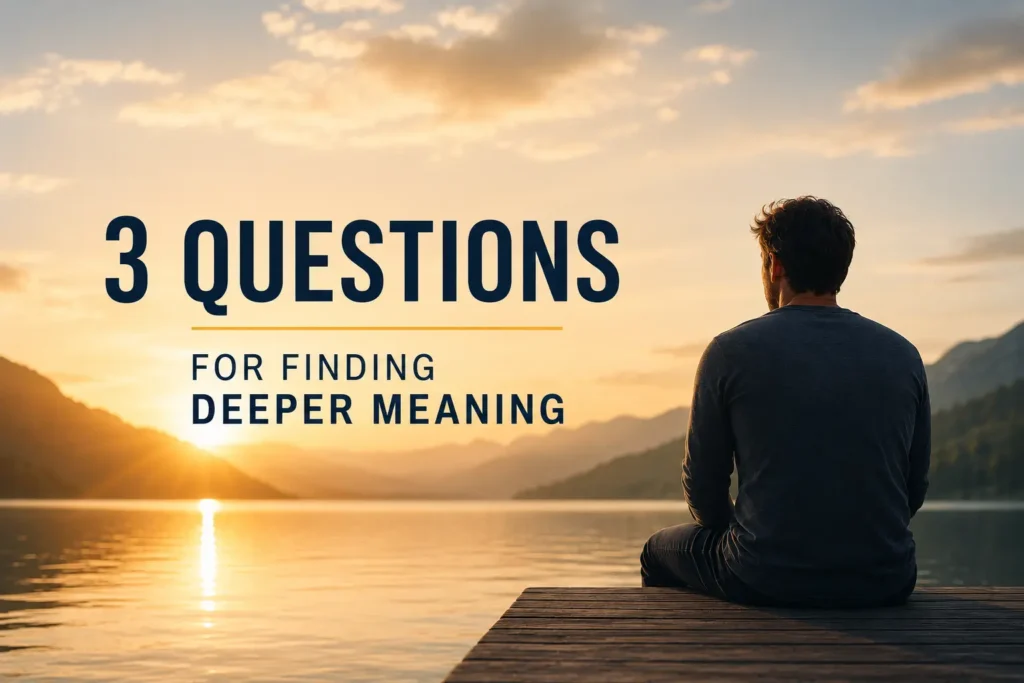
If you are feeling restless or experiencing high-achiever burnout despite doing everything “right,” I invite you to sit with the three core questions that emerged from these masterclasses in intentional living.
Question 1: What Are You Waiting to Begin That Has Already Begun?
How Dan Cnossen Teaches Us to Stop Postponing Our Presence
After losing both of his legs to an IED in Afghanistan, retired Navy SEAL Dan Cnossen was thrust into an unchosen reality. His life could have easily devolved into a permanent, exhausting negotiation with the past he had lost.
Instead, through the raw, brutal process of learning how to move again in the freezing snow and total physical discomfort of a Montana winter, he encountered a truth many of us spend a lifetime avoiding: Reality does not negotiate.
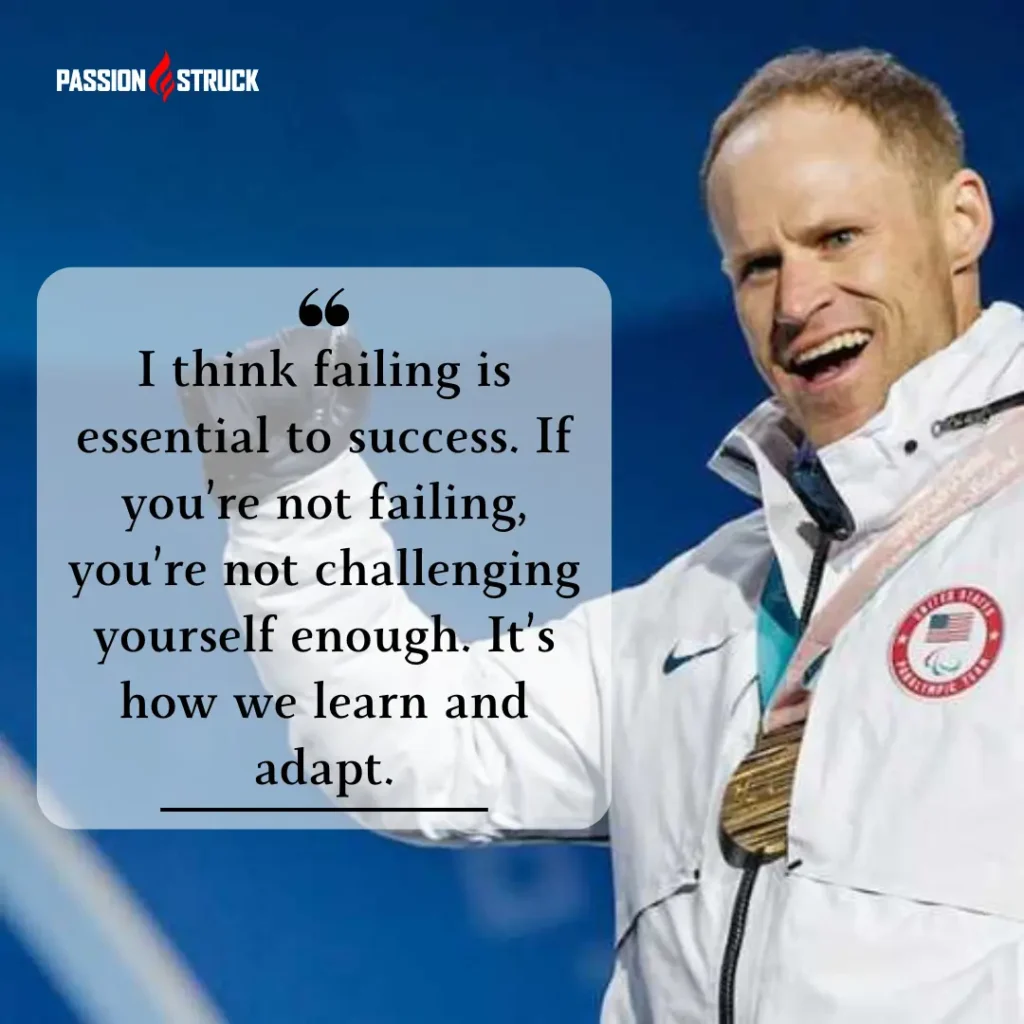
Finding deep meaning begins the moment we stop treating our current, imperfect circumstances as temporary interruptions, detours, or obstacles. We must conquer emotional adaptation by dropping our arguments with the present. The ordinary, difficult, or unglamorous terrain you are resisting right now isn’t blocking your real life—it is the curriculum of your becoming.
Question 2: If Nobody Applauded This Life, Would You Still Choose It?
How Blake Mycoskie Highlights the Danger of Performance-Based Identity
Achievement has a strange way of organizing our identity. Excellence makes us visible. It creates momentum, and early on, it teaches high performers that elite output can buy social belonging, security, and validation.
Long before he built TOMS into a global movement, Blake Mycoskie internalized this on a lonely tennis court at age fifteen. He learned to use outward achievement as a mirror, hoping it would tell him something definitive about who he was.
The tragedy of the high-achiever mindset isn’t that it fails; it’s that it succeeds beyond expectation. But when the external goal is reached, the applause quiets, the milestone passes, and the company is sold, the world moves on—and the internal question remains completely untouched: Am I enough?
That question cannot be resolved through accumulation. Finding deep meaning requires learning how to contribute deeply to the world without confusing your output with your baseline identity. Your worth must precede your achievement.
Question 3: Was I a Safe Place to Come Home to Today?
How Gabby Bernstein Links Internal Safety to Emotional Healing
There is a particular kind of profound isolation that emerges when we become disconnected from ourselves. It is a form of quiet disconnection that can exist right in the middle of massive success, high public visibility, and professional acclaim.
When Gabby Bernstein sat down with me, she spoke openly about reaching the pinnacle of global influence while simultaneously feeling completely frozen, hyper-vigilant, and unsafe in her own body. Many high achievers respond to this exact internal tension with the only survival strategy they know: more motion, more hyper-productivity, more becoming indispensable.
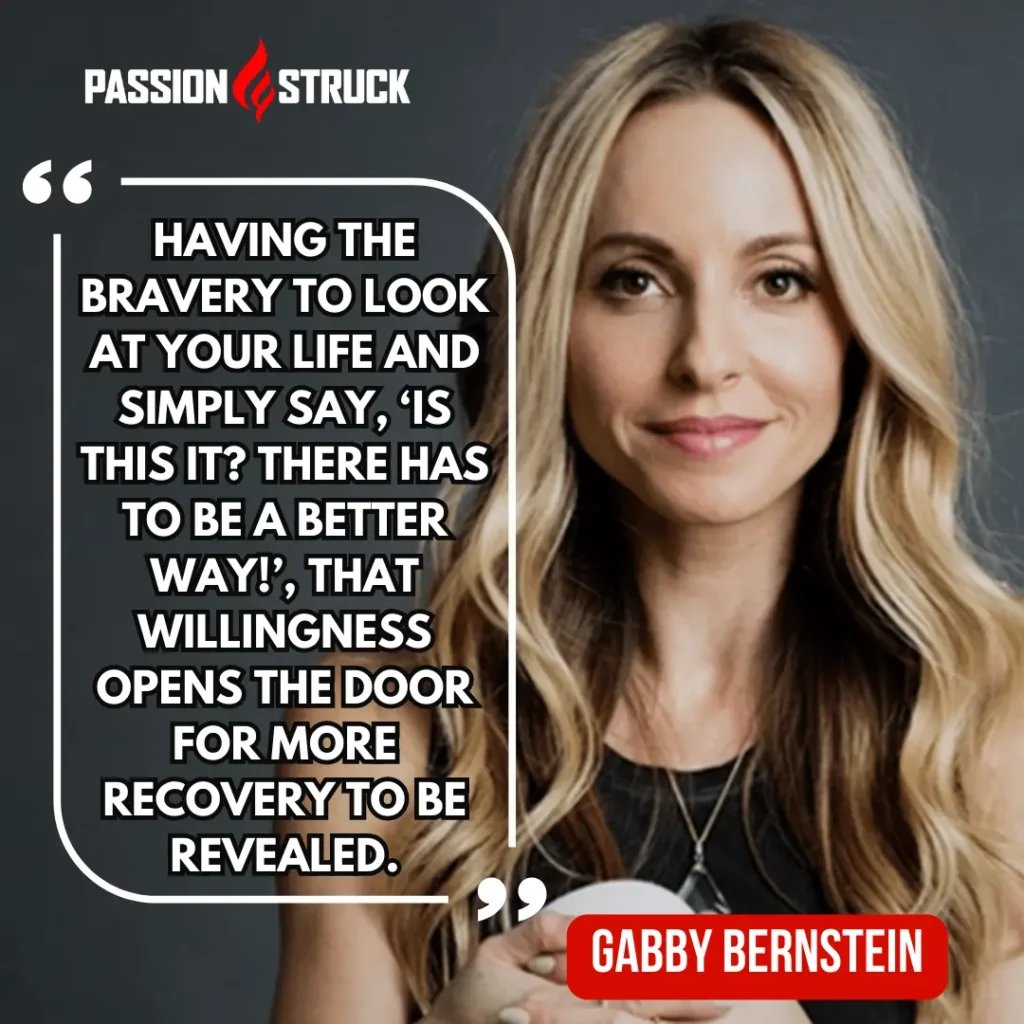
But running yourself like a mechanical system to stay one step ahead of internal anxiety is survival, not living. When we turn our own minds into hostile corporate environments ruled by constant self-criticism, impossible perfectionist metrics, and conditional acceptance, finding deep meaning becomes impossible.
Through the lens of re-parenting and internal safety, we have to learn how to relate to ourselves as living beings in need of self-compassion. True well-being cannot emerge from an internal environment organized around fear.
The Social and Psychological Architecture of Presence
We are living in a culture that is beautifully optimized for output, but completely starved for presence. Our technologies accelerate our performance, our institutions reward visible milestones, and our identities are constantly quantified through digital metrics, visibility, and velocity.
The result is a profound mismatch between external progress and internal coherence. Many people are accomplishing more than ever while feeling less anchored in who they actually are. They have built the life they were supposed to want, but they are left wondering why it doesn’t feel like enough.
This is where the core philosophy of my upcoming book, The Mattering Effect, connects to this conversation. At its heart, the science of mattering explores our fundamental human need to know that we matter because of who we are, not just what we produce. It is the absolute foundation for finding deep meaning in a world that tells you to keep running on the treadmill of achievement.
These three reflective questions are not designed to produce quick, comfortable answers. Their value comes from what they illuminate over time—the behavioral patterns they expose, the cultural assumptions they challenge, and the invitation they offer to finally stop postponing our lives, step out of autopilot, and fully inhabit the life that is already ours.
Listen to Passion Struck Episode 789
To dive deeper into the clinical psychology of radical acceptance, mindfulness-based stress reduction, and internal safety, listen to Episode 789 of the Passion Struck with John R. Miles podcast.
Frequently Asked Questions About Authentic Value & Finding Deep Meaning
What is the first step toward finding deep meaning when you feel burnt out?
The first step is dropping the expectation that the next achievement will fix how you feel. You have to pause the constant motion and ask yourself what you are avoiding by staying so busy. Meaning is found in how you inhabit the present moment, not in the next milestone.
Why do successful leaders still feel empty after reaching major goals?
Many high achievers attach their baseline self-worth to external performance. When a major milestone is reached, the distraction of the chase disappears, exposing unresolved questions about identity, belonging, and self-acceptance that material or professional success can never answer.
What is the difference between grit and radical acceptance?
Grit often manifests as an exhausting, forceful argument with reality—using sheer willpower to push through unchosen circumstances. Radical acceptance means completely dropping that negotiation, acknowledging the exact terrain under your feet, and choosing to fully inhabit the life sitting directly in front of you.
What does it mean to treat your inner world like a “hostile corporate environment”?
It means running an internal mental script built entirely on hyper-criticism, impossible perfectionist metrics, and zero permission to fail or rest. High performers frequently say things to themselves that they would never dream of saying to an employee or teammate they love, mistakenly labeling the destructive behavior as “discipline.”